
In the ever-evolving landscape of construction, mining, and aggregate production, efficiency, flexibility, and sustainability have become the cornerstones of success. Enter the mobile stone crusher – a game-changing piece of equipment that has transformed how we approach material processing. Unlike traditional fixed crushing plants, mobile crushers offer unparalleled mobility, allowing operators to bring the crushing process directly to the source of raw materials. This not only reduces transportation costs but also minimizes environmental impact, making it a top choice for modern industries in 2026 and beyond.
How Do Mobile Stone Crushers Work?
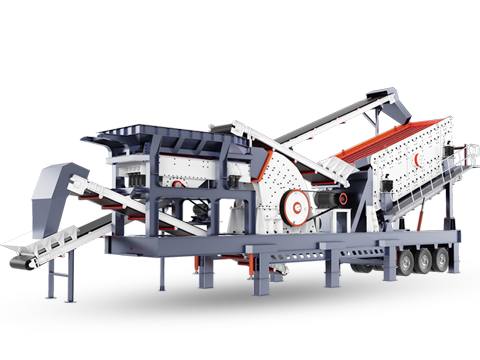
Mobile stone crushers integrate a complete crushing, screening, and conveying system onto a single, movable chassis – either tire-mounted or track-mounted. The working principle is straightforward yet highly efficient:
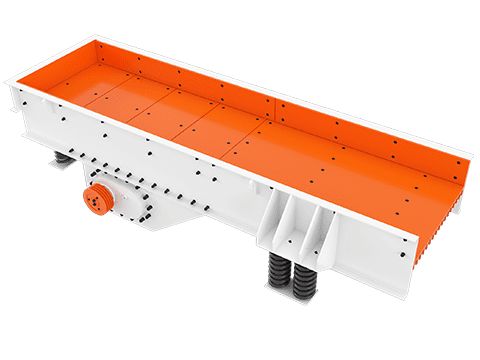
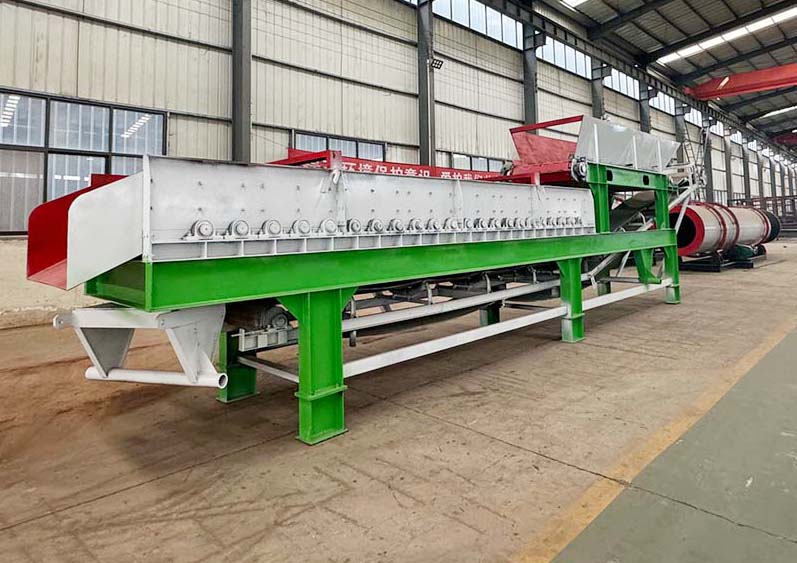
Feeding Stage: Large raw materials, such as rocks, ores, or construction waste, are loaded into the vibrating feeder. This device ensures a steady, controlled flow of material into the crushing chamber.
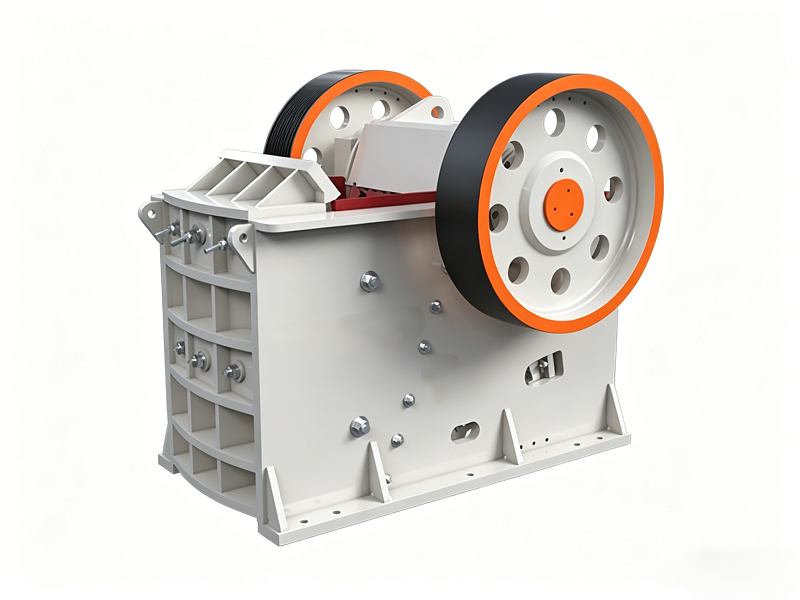
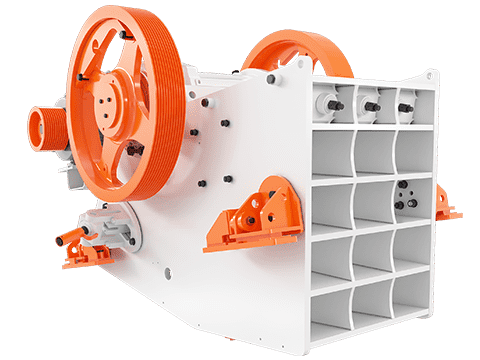
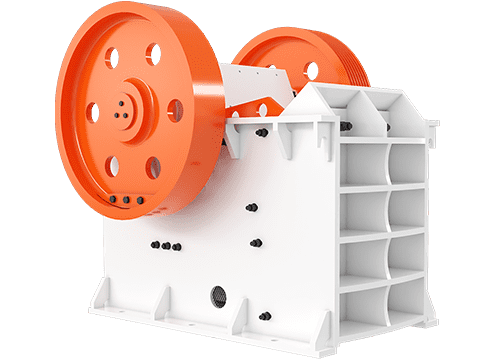
Primary Crushing: The jaw crusher, the workhorse of the mobile unit, uses compressive force to break down large chunks of material into smaller, manageable sizes. This stage is crucial for reducing oversized rocks that would otherwise damage downstream equipment.
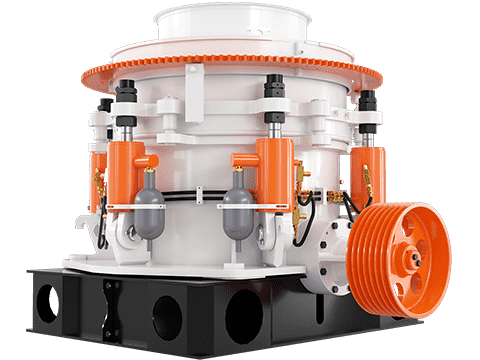
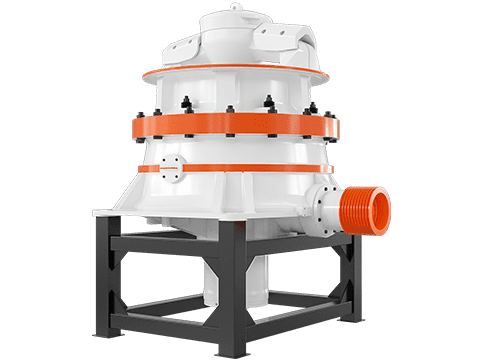
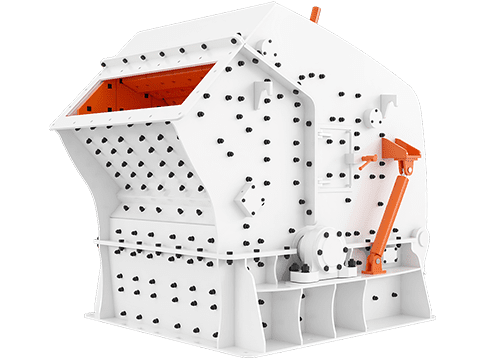
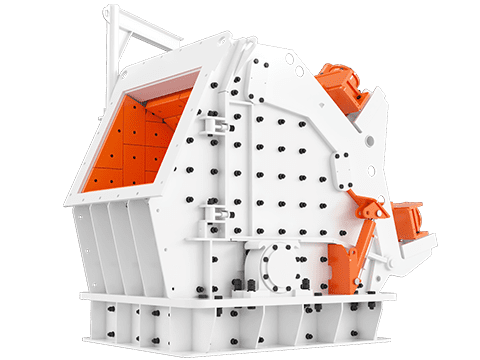
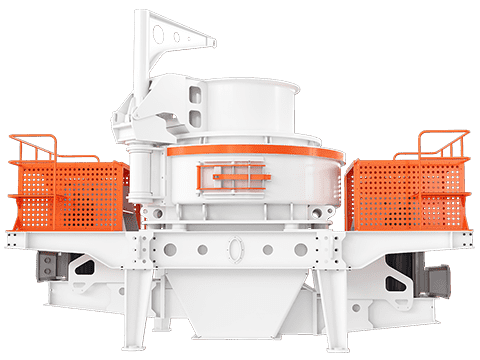
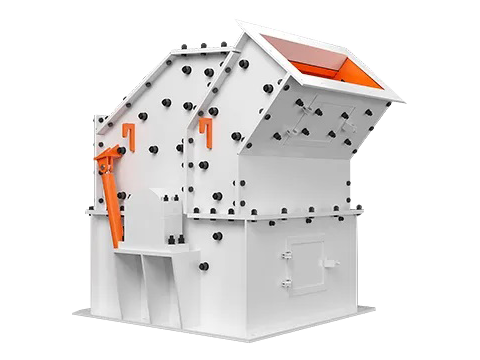
Secondary & Tertiary Crushing: Depending on the desired end product, materials may pass through impact crushers or cone crushers. Impact crushers use high-speed impact forces to shape aggregates, producing cubical particles ideal for concrete and asphalt. Cone crushers, on the other hand, excel at crushing hard and abrasive materials, offering precise particle size control.
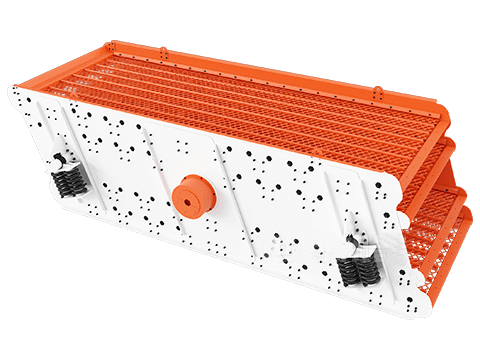
Screening & Classification: After crushing, a vibrating screen separates the material into different sizes. Oversized particles are sent back for further crushing, while properly sized aggregates are conveyed to the stockpile.
Dust Control & Environmental Protection: Advanced mobile crushers are equipped with integrated dust suppression systems, including water sprays and dust collectors, to minimize air pollution. This not only complies with strict environmental regulations but also creates a safer working environment.
Key Types of Mobile Stone Crushers
The market offers a variety of mobile stone crushers, each designed to meet specific application needs:
1. Tire-Mounted Mobile Crushers
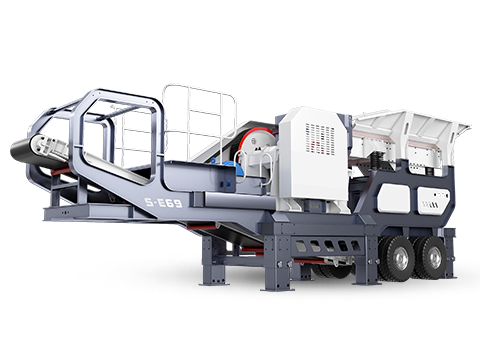
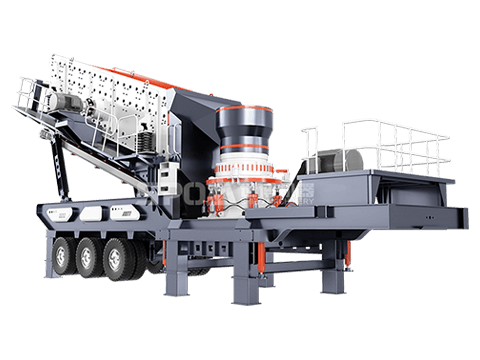
Ideal for projects requiring frequent relocation between job sites with paved roads, tire-mounted crushers offer excellent mobility and quick setup times. They are typically towed by a truck and can be ready to operate within hours. These crushers are perfect for urban construction, road maintenance, and small-scale mining operations.
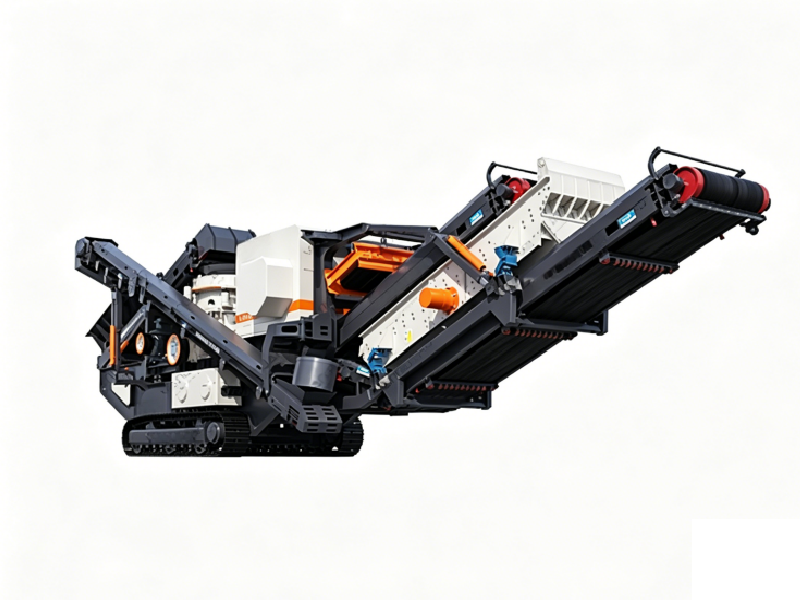
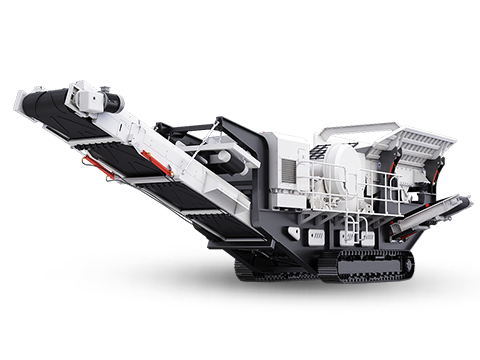
2. Track-Mounted Mobile Crushers
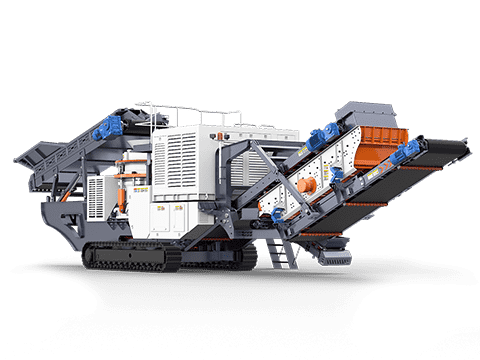
Built for rugged, off-road conditions, track-mounted crushers use heavy-duty crawler tracks to navigate challenging terrains such as mining sites, quarries, and demolition zones. Their low ground pressure ensures minimal impact on the environment, making them suitable for sensitive areas. Track-mounted crushers often feature advanced hydraulic systems for easy adjustment of crushing parameters and automated functions.
3. Specialized Mobile Crushers
Mobile Jaw Crushers: Best for primary crushing of hard rocks and ores, offering high throughput and reliability.
Mobile Impact Crushers: Perfect for producing high-quality, cubical aggregates for construction projects.
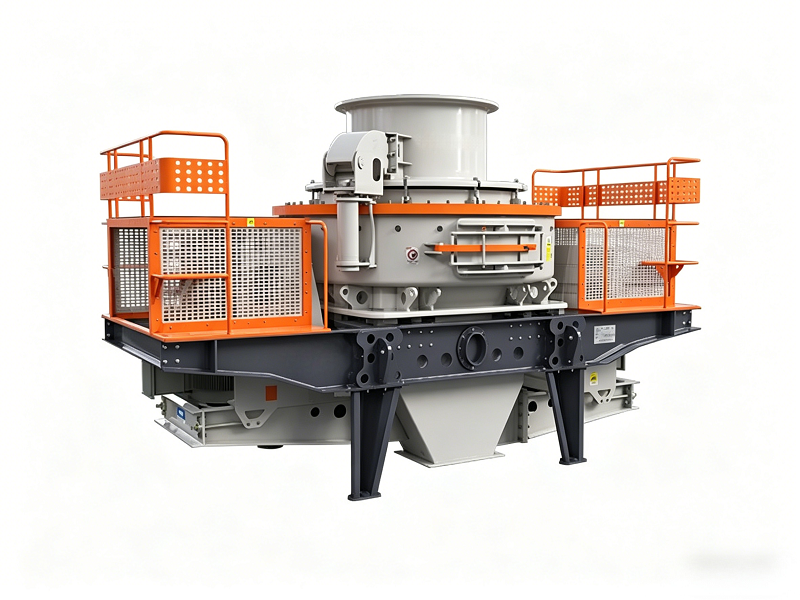
Mobile Cone Crushers: Designed for secondary and tertiary crushing of hard materials, providing precise particle size reduction.
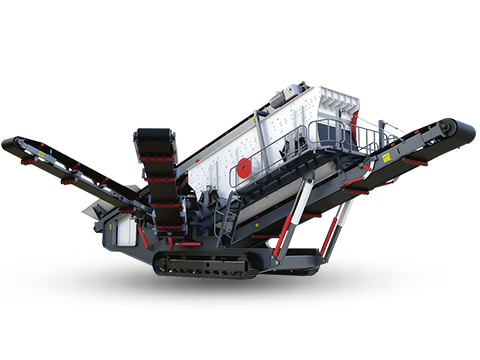
Mobile Screening Plants: Standalone units that can be paired with crushers to optimize material classification and improve overall efficiency.
Advantages of Mobile Stone Crushers
Unmatched Flexibility: Operate directly at the job site, eliminating the need for costly material transportation. This is particularly beneficial for projects with dispersed raw material sources or limited access to fixed crushing plants.
Cost Efficiency: Reduce operational costs by cutting down on fuel, labor, and transportation expenses. Mobile crushers also require less infrastructure investment compared to fixed plants, as they do not need permanent foundations.
Sustainability: By processing materials on-site, mobile crushers minimize carbon emissions from truck haulage. Additionally, they enable the recycling of construction waste, turning debris into reusable aggregates and reducing landfill waste.
Quick Deployment: Most mobile crushers can be set up and operational within a few hours, allowing for rapid response to project demands. This is crucial for time-sensitive projects such as disaster recovery or emergency road repairs.
Versatility: Adapt to different materials and applications by easily swapping out crushing components. Whether you're processing granite, limestone, concrete, or asphalt, there's a mobile crusher configuration to suit your needs.
Applications of Mobile Stone Crushers
The versatility of mobile stone crushers makes them indispensable across various industries:
1. Construction & Demolition
In urban renewal and infrastructure projects, mobile crushers play a vital role in recycling construction waste. They can crush concrete, bricks, and asphalt into high-quality aggregates, which are then used for road bases, concrete production, and landscaping. This not only reduces waste but also lowers the demand for natural aggregates.
2. Mining & Quarrying
Mobile crushers allow mining operations to process ore directly at the face, reducing the need for long-distance transportation. In quarries, they can be strategically placed to optimize material extraction, improving overall productivity and reducing operational costs.
3. Road & Bridge Construction
Linear projects such as highways and railways benefit greatly from mobile crushers. They can produce aggregates on-site, ensuring a steady supply of materials and reducing project delays. Additionally, their ability to navigate rough terrain makes them ideal for remote construction sites.
4. Aggregate Production
For aggregate producers, mobile crushers offer the flexibility to serve multiple job sites from a single base. They can be easily transported to different locations, allowing producers to meet the demands of various clients without investing in multiple fixed plants.