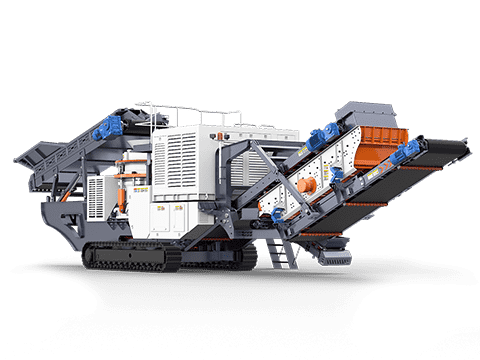
Choosing the right mobile crusher depends on several key factors, including the type of material, crushing stage, project scale, and terrain. Here are the key considerations to help you make the right decision:
1. Material Type & Hardness
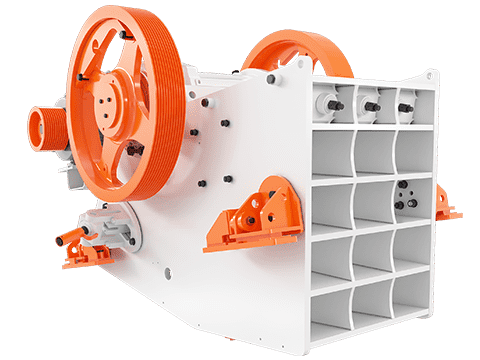
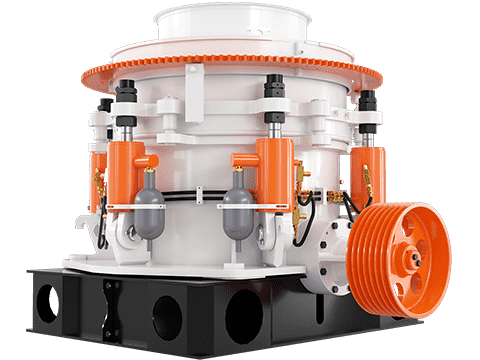
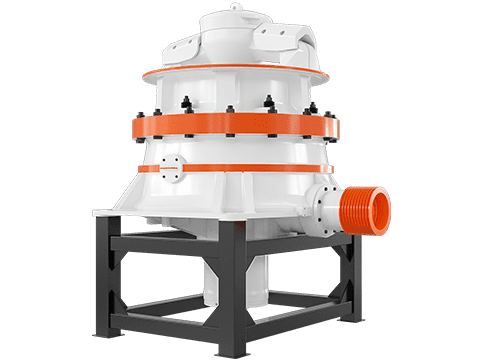
The hardness of the material you need to process is the most important factor. For hard materials (granite, basalt, ore), choose a mobile jaw or cone crusher, which are designed to handle high compressive forces. For medium-hard materials (limestone, concrete, asphalt), a mobile impact crusher is ideal, as it produces high-quality aggregates with excellent particle shape. For soft materials (clay, coal), a mobile hammer crusher may be more suitable.
2. Crushing Stage
Determine whether you need primary, secondary, or tertiary crushing. Primary crushing reduces large materials (up to several meters) into smaller pieces, and a mobile jaw crusher is the best choice. Secondary crushing further reduces the size of the material, and a mobile cone or impact crusher is suitable. Tertiary crushing produces fine, graded aggregates, and a mobile cone crusher with a fine crushing chamber is ideal.
3. Project Scale & Throughput Requirements
Consider the volume of material you need to process per hour (throughput). Small-scale projects (50-100 t/h) may require a compact mobile crusher, while large-scale projects (100-500 t/h) need a heavy-duty model with high throughput capacity. For example, a concrete搅拌站 may require a mobile crusher with 350t/h throughput to meet its aggregate needs, while a small demolition project may only need a 150t/h model.
4. Terrain & Mobility Needs
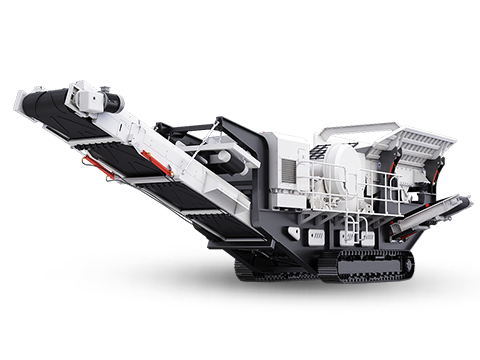
If your project is on flat terrain (urban construction sites, quarries), a wheeled mobile crusher is the best choice, as it offers easy transportation on paved roads. If the site is rough or remote (mines, mountainous areas), a tracked mobile crusher is more suitable, as it provides better traction and stability on uneven ground.
5. Environmental Requirements
Check local environmental regulations regarding noise, dust, and emissions. Choose a mobile crusher with a dust suppression system, low-noise engine, and low emissions to comply with these regulations. Hybrid or electric mobile crushers are also a good option for projects in urban areas or environmentally sensitive regions.
Maintenance Tips for Mobile Crushers: Extend Service Life & Ensure Efficiency
Proper maintenance is essential to keep your mobile crusher running smoothly, extend its service life, and avoid costly downtime. Here are some key maintenance tips:
• Regularly inspect the crushing chamber, wear parts (jaw plates, impact plates, cone liners), and conveyor belts for wear and tear. Replace worn parts in a timely manner to ensure crushing efficiency and avoid equipment damage.
• Check the engine oil, hydraulic oil, and coolant levels regularly, and replace them according to the manufacturer’s recommendations. Clean the oil filters and air filters to prevent dust and debris from entering the engine.
• Inspect the hydraulic system for leaks, and tighten any loose connections. Ensure the hydraulic pressure is within the recommended range to avoid system failure.
• Clean the dust suppression system regularly to ensure it works effectively, reducing dust pollution and protecting the equipment from dust damage.
• Store the mobile crusher in a dry, covered area when not in use, especially in harsh weather conditions (extreme cold, rain, snow) to prevent rust and corrosion.
• Train operators to use the equipment correctly, following the manufacturer’s instructions. Improper operation can lead to equipment damage and safety hazards.